Loading...

In the healthcare industry, trust is built from the very first impression. A properly designed medical center sign not only helps patients identify the facility easily, but also conveys the professionalism and credibility of the establishment.
Medical center signage refers to the identification sign systems installed at healthcare facilities, including hospitals, general clinics, preventive medicine centers, dental offices, eye clinics, and other specialty practices. Beyond simply displaying a name, medical signage must also meet requirements for long-distance visibility, clarity, and visual consistency with a professional environment.
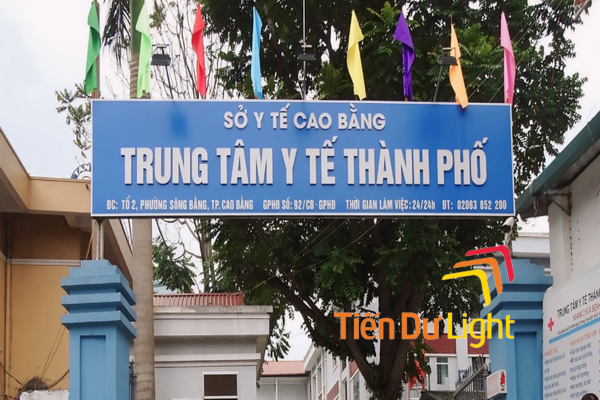
Professional medical center signage
Due to the specialized nature of the healthcare industry, signage systems in these settings typically adhere to strict standards regarding clarity, lighting, and installation positioning.
Exterior signage (façade area):
Wayfinding sign system: Medical centers typically have many departments and complex corridors. A wayfinding sign system reduces pressure on medical staff and prevents patients from getting lost.
Interior signage (indoor areas):
Each type of medical facility has its own unique characteristics in terms of space, scale, and patient demographics. This directly influences the choice of materials and design style for medical center signage.
Signage for healthcare facilities has different technical requirements compared to standard commercial applications. Here are the key criteria to keep in mind:
#00A650 or blue). Private facilities may use their own color palette, but must ensure sufficient contrast for elderly patients and the visually impaired to read clearly from a minimum distance of 10–15 meters.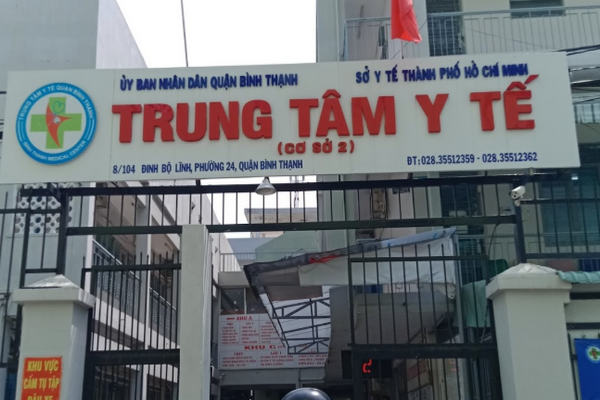
Standard signage for medical centers
- What are the most common types of medical center signage today?
A medical signage system typically includes a main façade sign (raised stainless steel or face-lit acrylic lettering), individual department/room name signs, corridor directional signs, and room number signs. Depending on the facility's scale, a Digital Signage system may also be added to display dynamic information such as appointment schedules and queue numbers.
- What materials should outdoor medical signs use to withstand Vietnam's weather?
Standard-compliant materials for outdoor signs in Vietnam's climate include grade 304 stainless steel (rust-resistant, heat-tolerant), UV-resistant acrylic (no yellowing after 3–5 years), and powder-coated aluminum composite panels. Outdoor LEDs should meet IP65 rating or higher for dust and rain resistance.
- Do public and private healthcare facilities have different signage regulations?
Public healthcare facilities must comply with the Ministry of Health's regulations on color and layout, and must also obtain construction permits for signage in accordance with local regulations. Private facilities have more flexibility in design but must still ensure that mandatory information - including the facility name, operating license number, and logo (if applicable) - is displayed in the correct format.
- What type of signage should a multi-branch clinic chain choose to maintain consistent branding?
Multi-branch healthcare chains should designate a single contractor for the entire system to ensure consistency in color, typography, and materials. Backlit stainless steel raised lettering with acrylic-faced logo light boxes is a solution that scales easily, can be fabricated quickly, and is straightforward to replace during renovations.
Medical center signage must simultaneously satisfy three requirements: clear visibility from a distance, materials durable enough for Vietnam's weather, and a design consistent with the facility's professional environment. Choosing the right materials and a contractor experienced in healthcare environments will help reduce long-term maintenance costs. Contact Tien Du Light for detailed consultation.
Receive the latest information about our products, promotions, and news.
Head Office: Số 58 đường Thanh Quả, thôn Sinh Quả, xã Bình Minh, TP. Hà Nội
Phone Number: 0961.514.739 - 0904.692.277
Southern Branch: 106 Đông Minh, Phường Đông Hòa, Thành Phố Hồ Chí Minh
Phone Number: 0345.439.055
Email: Contact@tiendulight.com
Hotline: 0961.514.739 (Miền Bắc ) - 0345.439.055 (Miền Nam) - 0904.692.277