Loading...

In the signage and advertising industry, the choice of material and surface finishing technology plays a decisive role in both the aesthetics and longevity of the final product. Powder coating for signage has become the "gold standard" technology that businesses now prioritize above all else. So what makes it superior to conventional paint?
Powder coating is a process that applies a plastic-based protective layer onto metal surfaces - aluminum, iron, steel or stainless steel. Unlike liquid paint, powder coating uses a specialist spray gun to give the powder particles a positive electrical charge, while the object being coated is earthed (negatively charged).
The difference in electrical charge generates a powerful electrostatic attraction, causing the powder to adhere evenly and completely across the entire surface. The signage is then placed in a high-temperature curing oven where the powder melts and fuses into an exceptionally tough protective layer - essentially a suit of armor for the metal beneath.
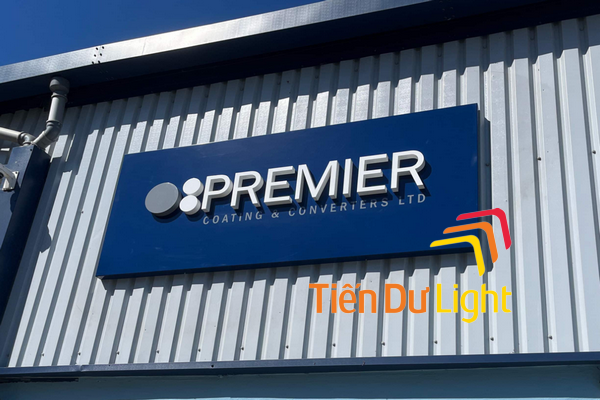
Sơn tĩnh điện biển hiệu có đặc điểm gì?
Signage must constantly withstand sun, rain, UV radiation and sudden temperature fluctuations. Powder coating delivers advantages that conventional paints simply cannot match:
- Durability that stands the test of time The powder coat finish offers outstanding resistance to corrosion, oxidation and rust. For signage installed near the coast or in polluted environments, powder coating is the ideal solution for protecting the metal core inside.
- Superior aesthetics and an extensive color range The powder coating color palette is exceptionally broad, ranging from standard solid colors to special-effect finishes including:
- Heat resistance and scratch resistance A powder-coated surface is very hard and highly resistant to scratching during transport or installation. The coating also does not peel or blister under the intense heat of direct sunlight.
- Environmentally friendly The powder coating process uses no volatile organic compounds (VOCs), significantly reducing the risk of air pollution and fire hazards.
Most high-end signage applications make use of powder coating technology:
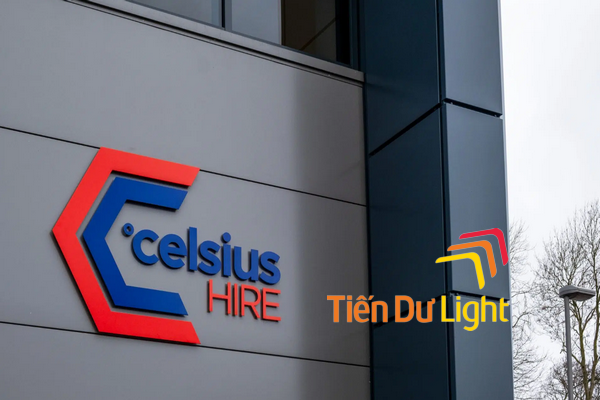
Sơn tĩnh điện biển hiệu được ứng dụng phổ biến
If you are weighing up traditional hand painting (oil-based or water-based paint) against powder coating for your signage, look at the long-term economics and aesthetics. Here are the four most practical reasons to invest:
- Lower maintenance costs
- High heat resistance Advertising signs are typically mounted at height where they absorb direct solar heat. The powder coat layer is fundamentally a plastic resin that has been fused directly onto the metal at close to 200°C. As a result, outdoor temperatures of 40°C pose absolutely no risk of blistering or softening the coating.
- A premium, high-end appearance For businesses projecting professionalism - showrooms, spas, banks, beauty clinics - powder coating is non-negotiable:
Protection for the internal structural frame Signage typically has a steel internal frame. If that frame begins to rust, the corrosion spreads and damages the face material - whether Acrylic, Aluminum composite or Hiflex banner. Powder coating seals every corner and crevice of the frame structure, completely blocking oxidation caused by moisture in the air.
The right coating technology for your signage ultimately comes down to your budget and intended lifespan. However, if you are looking for a reliable protective solution for outdoor installations - or want your showroom to carry a refined, premium appearance - powder-coated signage is without question the leading choice. Do not focus only on the upfront cost. Consider the aesthetic value and the peace of mind this technology delivers for years to come.
Receive the latest information about our products, promotions, and news.
Head Office: Số 58 đường Thanh Quả, thôn Sinh Quả, xã Bình Minh, TP. Hà Nội
Phone Number: 0961.514.739 - 0904.692.277
Southern Branch: 106 Đông Minh, Phường Đông Hòa, Thành Phố Hồ Chí Minh
Phone Number: 0345.439.055
Email: Contact@tiendulight.com
Hotline: 0961.514.739 (Miền Bắc ) - 0345.439.055 (Miền Nam) - 0904.692.277