Loading...

An LED screen installed but displaying washed-out images in broad daylight, with passersby unable to read the content - this is a costly mistake many businesses make by overlooking outdoor LED screen brightness as a selection criterion from the very start. Brighter is not always better, and choosing the highest specification is not always the safe option.
Outdoor LED screen brightness is the measurement of light intensity emitted from the screen surface, expressed in nits (cd/m²). A screen rated at 5,000 nits emits light equivalent to 5,000 candles per square metre of surface area. This specification directly determines how well advertising content remains visible across varying ambient light conditions.
Why is this a make-or-break criterion? Because an outdoor LED screen must constantly compete with sunlight, street lighting and scattered ambient light from the surrounding environment. Insufficient brightness causes the image to "wash out" — particularly at midday when solar intensity peaks. Conversely, an overly bright screen installed in an enclosed space or residential area causes glare, disrupts the experience of pedestrians and may breach urban lighting regulations.
By industry standard, indoor LED screens typically range from 800–2,000 nits, while outdoor LED screens require a minimum of 5,000 nits for clear visibility, rising to 10,000–12,000 nits for locations exposed to direct sunlight throughout the day.
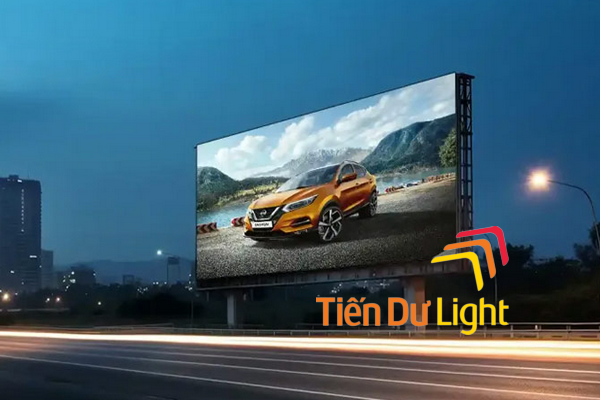
Learn about the brightness of outdoor LED screens
A poor brightness decision affects more than just display quality - it triggers a chain of expensive consequences:
Based on years of hands-on consulting and installation experience, these are the errors businesses most frequently make:
Tiến Dư Light is a professional outdoor LED screen manufacturer and installer with over 15 years of experience, having completed hundreds of advertising signage projects at Noi Bai Airport, TechcomBank, VietinBank, VinFast and Lotte Mall nationwide.
When working with Tiến Dư Light, the technical consultation process includes:
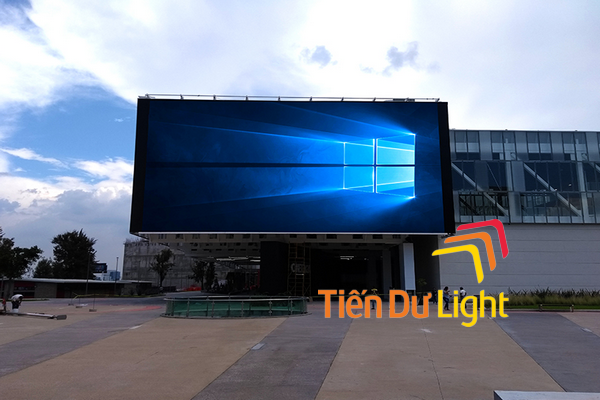
Tien Du Light - A reputable outdoor LED screen installation company
- How many nits does an outdoor LED screen need?
A minimum of 5,000 nits for outdoor locations with partial shade. For positions exposed to direct sunlight all day - such as building rooftops or highway-facing installations - 8,000–12,000 nits is required to ensure content remains clearly visible in all weather conditions.
- Do outdoor LED screens need automatic brightness adjustment?
Yes - this is an essential feature for any screen operating 24/7. Auto-dimming sensors automatically increase brightness during the day and reduce it at night, saving 30–50% in energy consumption and significantly extending equipment lifespan.
- Why doesn't the LED screen perform as brightly as the manufacturer states?
Manufacturers typically publish peak brightness - the maximum output measured under ideal conditions. Under continuous real-world operation, sustained brightness is generally 15–25% lower due to heat buildup and natural degradation over time.
- How much more does a 10,000-nit outdoor LED screen cost compared to a 5,000-nit model?
A 10,000-nit screen typically costs 20–40% more than a same-size 5,000-nit model, due to the higher-powered LED chips and more complex thermal management system required. However, this cost difference is often offset by a longer lifespan and lower operating costs when paired with a quality auto-dimming system.
- What pixel pitch should I choose for an outdoor LED screen?
It depends on the minimum viewing distance. A practical rule of thumb: minimum viewing distance (metres) = pixel pitch (mm) × 1,000 / 1,000. For screens installed on building facades, the typical viewing distance ranges from 5–20 metres, making pixel pitch P6 to P10 the appropriate range.
Getting outdoor LED screen brightness right at the planning stage means choosing the correct equipment first time, avoiding replacement costs down the line and maximizing the effectiveness of your communication investment. For any further questions about technical specifications or the installation process, visit tiendulight.com or contact the Tiến Dư Light team directly for project-specific guidance.
Receive the latest information about our products, promotions, and news.
Head Office: Số 58 đường Thanh Quả, thôn Sinh Quả, xã Bình Minh, TP. Hà Nội
Phone Number: 0961.514.739 - 0904.692.277
Southern Branch: 106 Đông Minh, Phường Đông Hòa, Thành Phố Hồ Chí Minh
Phone Number: 0345.439.055
Email: Contact@tiendulight.com
Hotline: 0961.514.739 (Miền Bắc ) - 0345.439.055 (Miền Nam) - 0904.692.277